What Is the Best Time of Year to Visit Every Region of India?
One Country, Many Climates
With snow‑capped Himalayan peaks in the north, tropical backwaters in the south, deserts in the west and rain‑soaked tea hills in the east, India is more like a mini‑continent than a single country.
That is why the best time to travel to India is not the same for Ladakh as it is for Goa, or for Rajasthan as it is for Kerala – every region follows its own rhythm of heat, rain and cool, dry days.
As a general rule, most travelers consider October to March the best time to travel to India for comfortable temperatures, clear skies and peak festival season, then fine‑tune dates by region and interest.
This complete, region‑wise guide breaks down the best time to travel to India for the north, south, east, west, central belt, Himalayas and Northeast, so you can match the right month to the exact trip you have in mind.
Understanding India’s Seasons
Before diving into each region, it helps to understand India’s broad weather pattern. The country experiences four main seasons: winter (roughly December–February), summer (March–May), the southwest monsoon (June–September) and the retreating / northeast monsoon (October–November, strongest on the southeast coast).
For most lowland regions, the best time to travel to India is during the cool, dry months from late October to March, when humidity drops and sightseeing is pleasant. The hot months of April and May can feel extreme in the plains but are fantastic for the Himalayas, while June to September is dominated by lush monsoon conditions across much of the country.
North India (Delhi, Agra, Rajasthan, Varanasi)
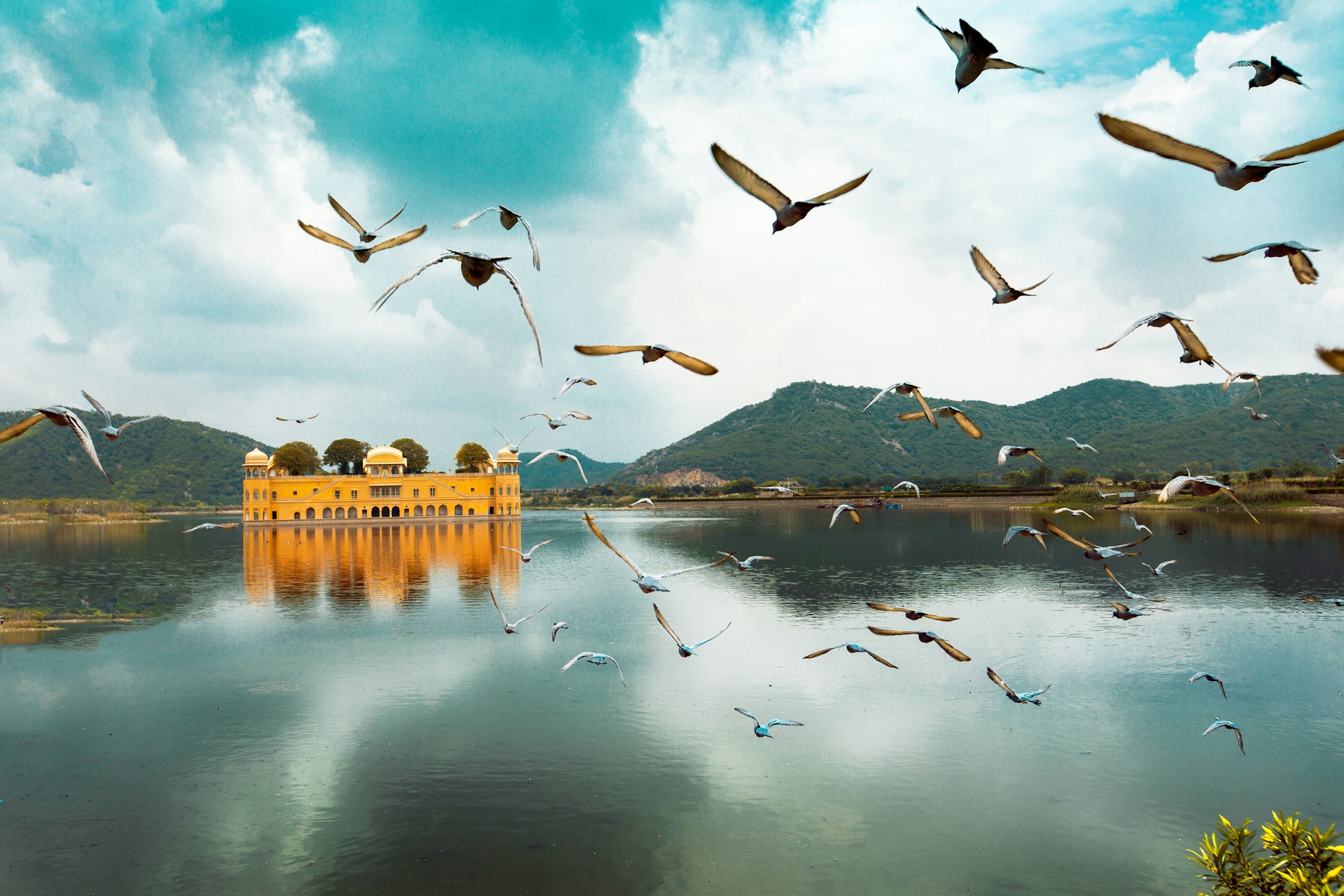
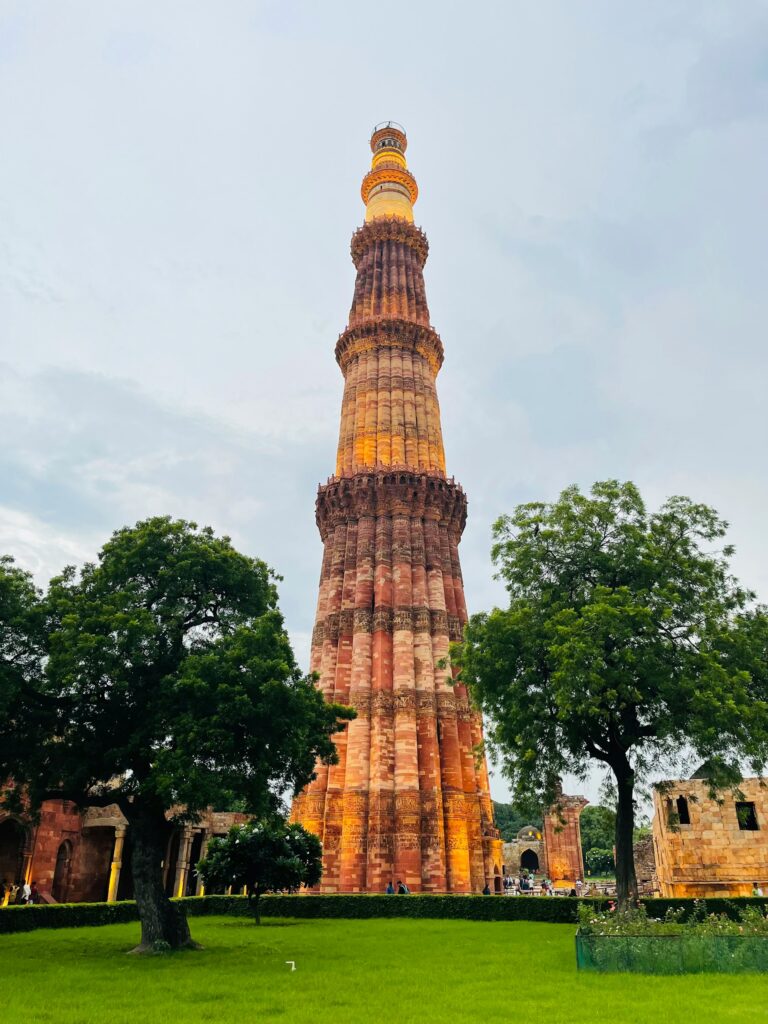
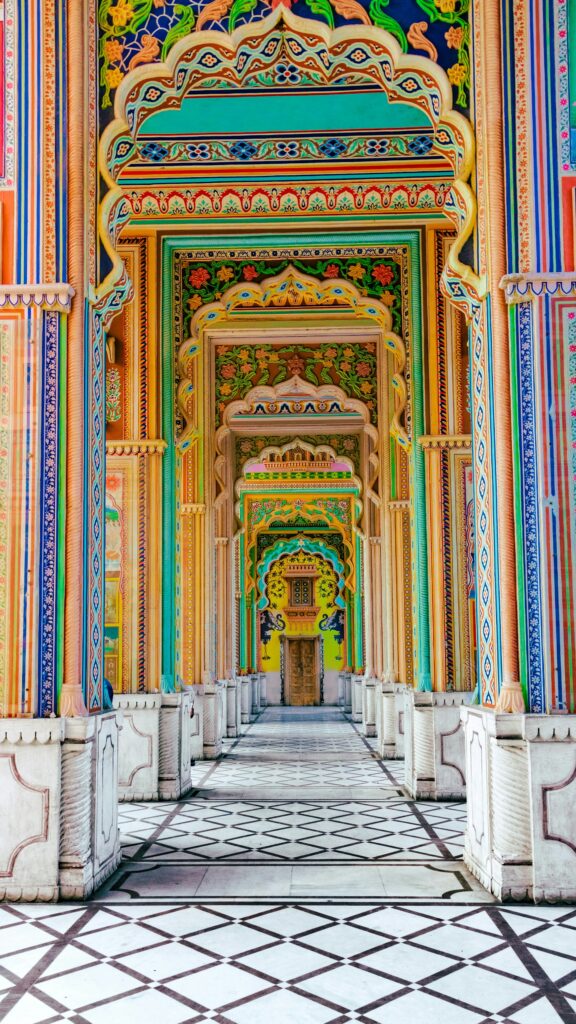
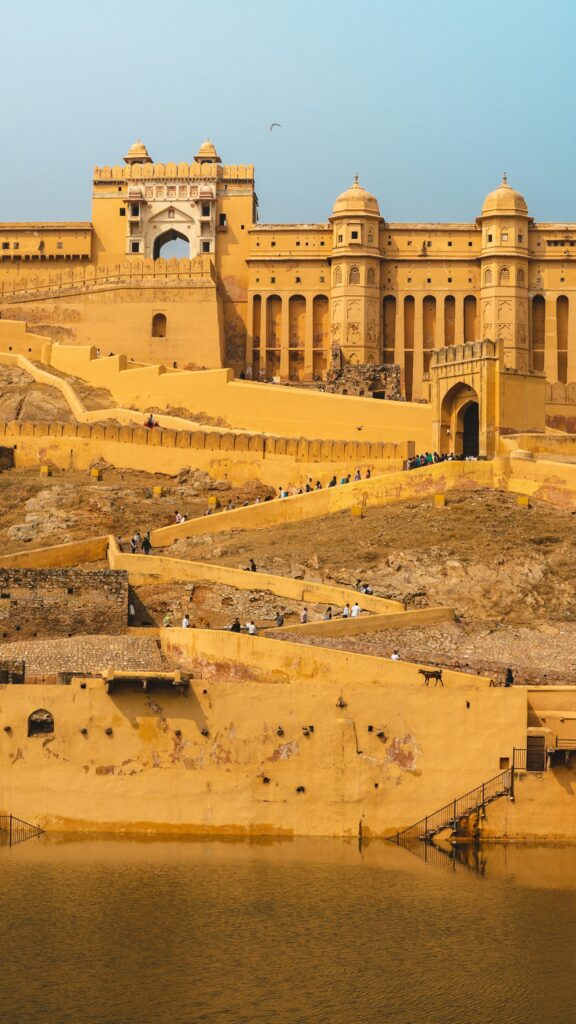
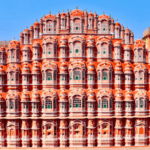
North India is the classic first‑timer’s route: the Golden Triangle (Delhi–Agra–Jaipur) which is covered in the Wonders of India Small Group Tour, royal Rajasthan cities like Udaipur and Jodhpur, and spiritual Varanasi on the Ganges. Getting the season right here is crucial, as temperatures and fog can dramatically shape your experience.
The overall best time to travel to India for this region is from October to March. Days are warm and sunny, nights are cool, and you can wander forts, bazaars and temple complexes without battling 45°C heat.
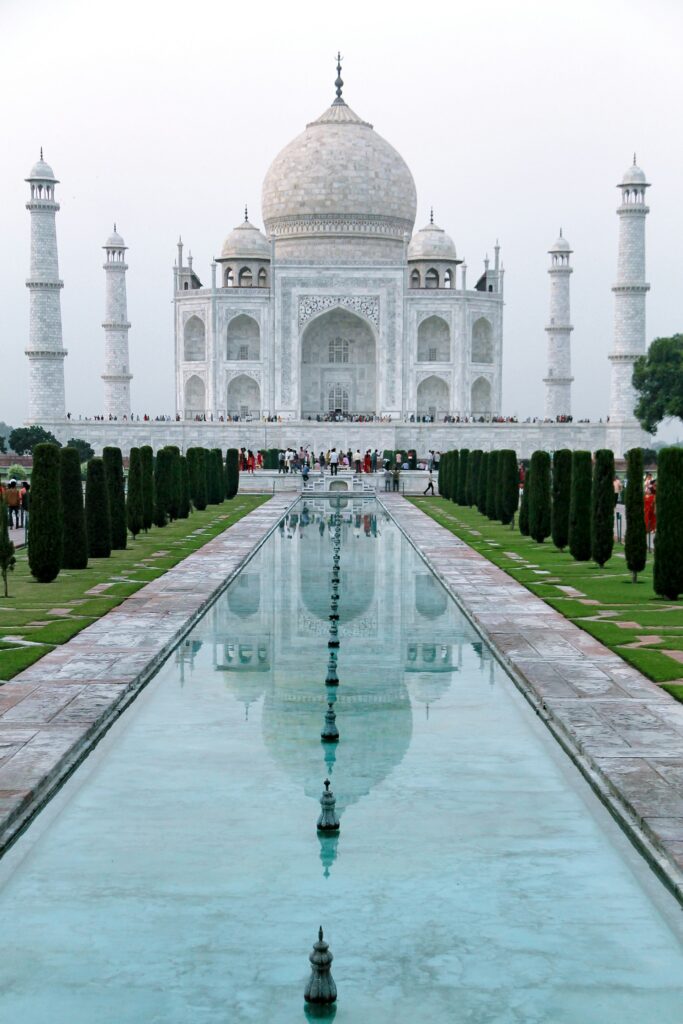
October–November: Post‑monsoon freshness, Diwali lights and clear views of monuments like the Taj Mahal.
December–February: Peak winter with crisp days, colder nights and occasional fog in Delhi and Agra – great for Rajasthan’s desert forts and rooftop dinners.
March: Early heat but still manageable, especially if you time your trip around Holi, the festival of colours.
April to June brings intense heat across Rajasthan and the Gangetic plains, so this is not the ideal best time to travel to India for city sightseeing here unless you are very heat‑tolerant. From late June to September, the monsoon cools things down but also brings heavy showers and humidity.
Himalayan North (Himachal Pradesh, Uttarakhand, Ladakh, Kashmir)
For snow, mountain treks and cool air, the Himalayan belt has its own “best time to travel to India” window that is almost opposite to the plains.
Hill stations like Shimla, Manali, Nainital and Mussoorie are pleasant from March to June, when the rest of North India is baking. This is a prime time for easy hikes, river walks and escaping city heat.
March–June: Best for Himachal and Uttarakhand hill stations, low‑to‑moderate altitude treks and rafting in Rishikesh.
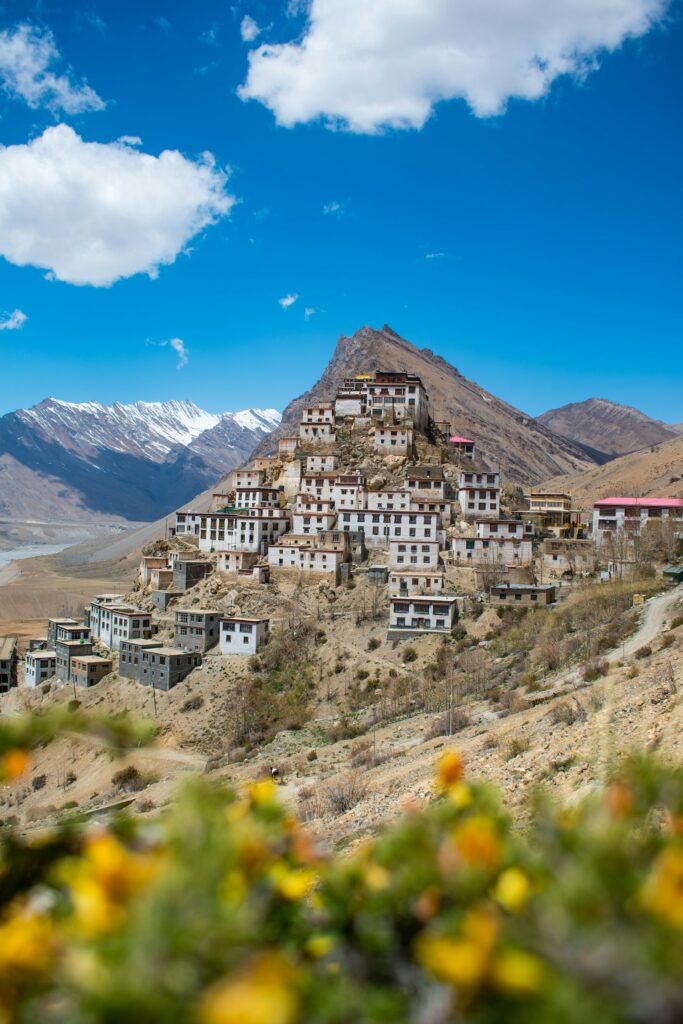
July–September: Monsoon brings landslide risk in some areas, but this is prime time for Ladakh and Spiti once high passes open and roads are driveable.
December–February: Snowy landscapes, ski slopes in places like Gulmarg and Auli, but some remote routes can close.
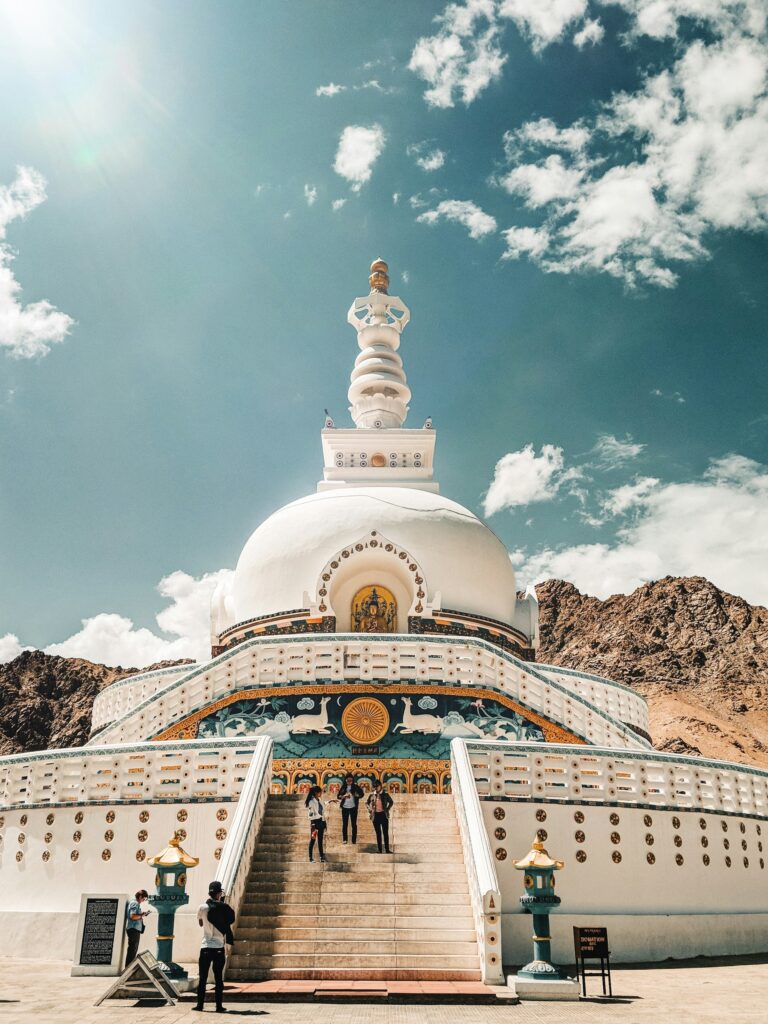
For Ladakh and other high‑altitude deserts, the best time to travel to India for this sub‑region is June to September, when roads are open and days are clear and cool. Winter access is limited and extremely cold, suitable only for specialist expeditions.
Indus Travels, operates tours which include the Best of India and Nepal (the gateway to Mt Everest), such as the Wonders of India and Nepal, which you should definitely check out if you want to experience the beauty of Himalayas as well.
West India (Rajasthan’s Desert Fringe, Gujarat, Mumbai, Goa)
Western India stretches from the Thar Desert across Gujarat’s white salt flats and down the Konkan Coast through Mumbai to Goa. It mixes some of the driest, hottest landscapes with lush tropical beaches.
For Rajasthan’s desert cities, which are covered in the Heritage of Rajasthan Tour, we have already seen that October to March is the sweet spot. For coastal Maharashtra and Goa, the best time to travel to India on this side is November to February, when humidity eases and the Arabian Sea is calm.
November–February: Perfect for Goa beaches, Mumbai city breaks and Gujarat’s Rann of Kutch salt desert (especially during the Rann Utsav festival).
March–May: Hotter but still workable for Mumbai and coastal escapes if you love warm seas and don’t mind sticky afternoons.
June–September: Monsoon transforms the Konkan into a lush, green corridor; Goa becomes quieter and cheaper, with dramatic storms but limited beach time.
If your India bucket list leans heavily towards Goa and the west coast, November to February remains the best time to travel to India overall for this region.
South India (Kerala, Tamil Nadu, Karnataka, Andhra & Telangana)
South India is tropical, with palm‑fringed beaches, plantations, temple towns and vibrant cities. The best time to travel to India in the south is generally from November to March, when temperatures ease and skies are clearer.
Kerala’s backwaters, Kochi and the Western Ghats hill stations like Munnar, which can be experienced on Tours such as Classical South India, Best of North and South India; are at their best once the southwest monsoon (June–September) has passed and the landscape is still lush but the rain has reduced.
November–March: Ideal for Kerala houseboats, tea hills, Tamil Nadu’s temple circuits (Madurai, Thanjavur, Mahabalipuram) and Karnataka’s Hampi and Mysuru.
April–May: Hot and humid on the coast but cooler in the hills; can work if you focus on Ooty, Coorg or Wayanad.
June–September: Monsoon season; Ayurveda retreats in Kerala are popular now, and green‑season travellers enjoy dramatic skies and lower prices.
October–November: Northeast monsoon brings heavier showers to Tamil Nadu’s coast, especially Chennai, but inland temple towns can still be pleasant between spells of rain.
If you want to mix festivals like Pongal or Thrissur Pooram with beach and culture, winter is the clear best time to travel to India in the south.
Central India (Madhya Pradesh, Chhattisgarh – Wildlife Heartland)
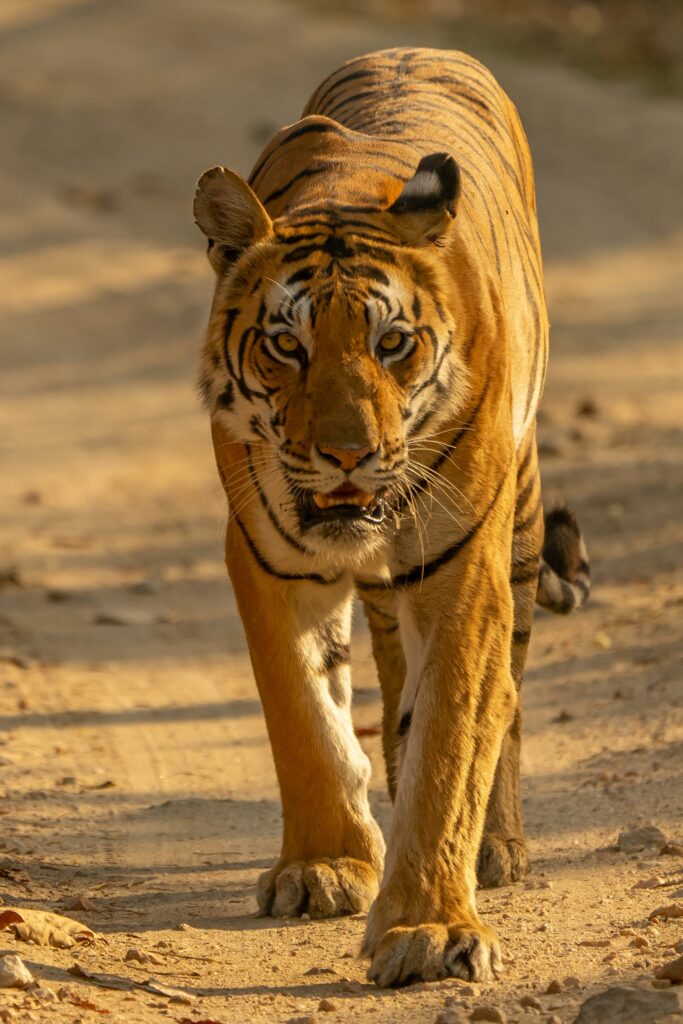
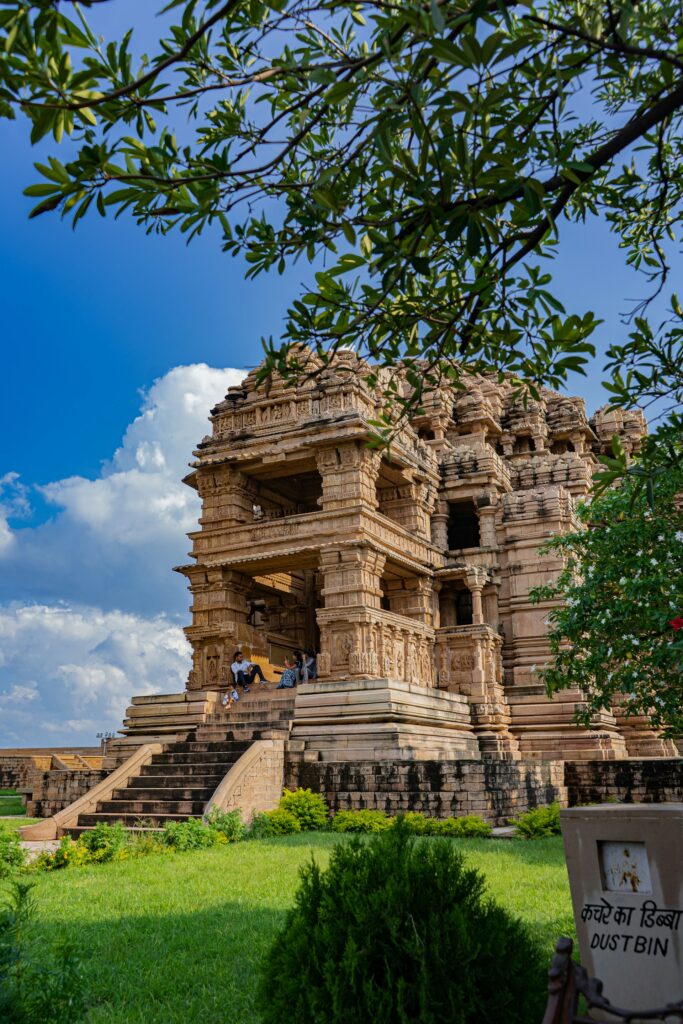
Central India is all about national parks, ruined forts and rural landscapes. The state of Madhya Pradesh alone is home to Kanha, Bandhavgarh, Pench and Satpura – some of India’s top tiger and wildlife reserves.
For wildlife, the best time to travel to India in this region is between November and April, when the parks are open, vegetation thins and animals congregate around water sources.
November–February: Pleasant days and cool nights, great for game drives and combining wildlife with heritage cities like Gwalior and Orchha.
March–April: Hotter but excellent for tiger sightings as waterholes shrink and visibility improves.
July–September: Many parks close for the monsoon; this is not the best window for a safari‑centric trip.
If you are building an itinerary around tigers and ruins, winter into early summer is the best time to travel to India here.
East India (West Bengal, Odisha, Bihar, Jharkhand)
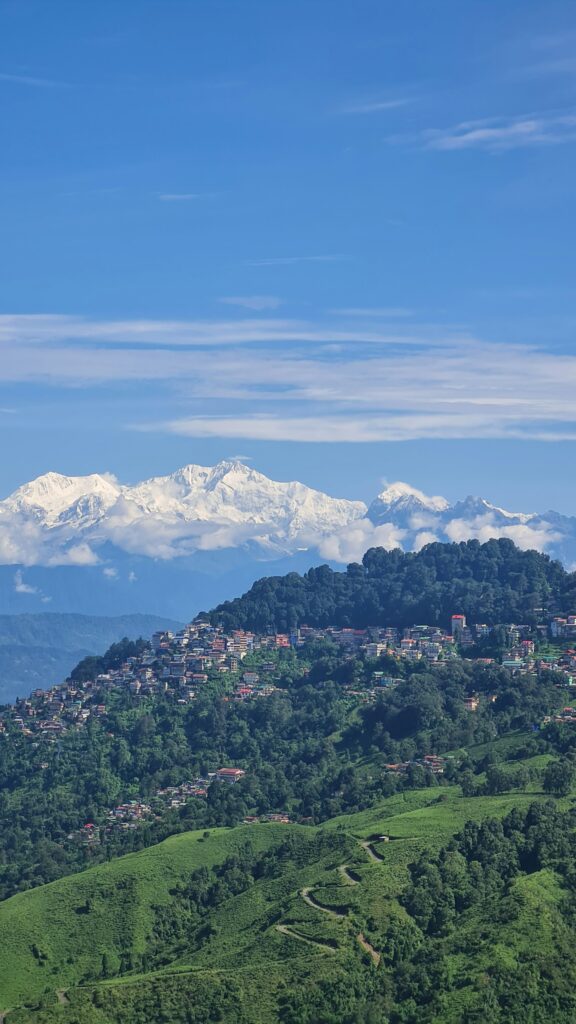
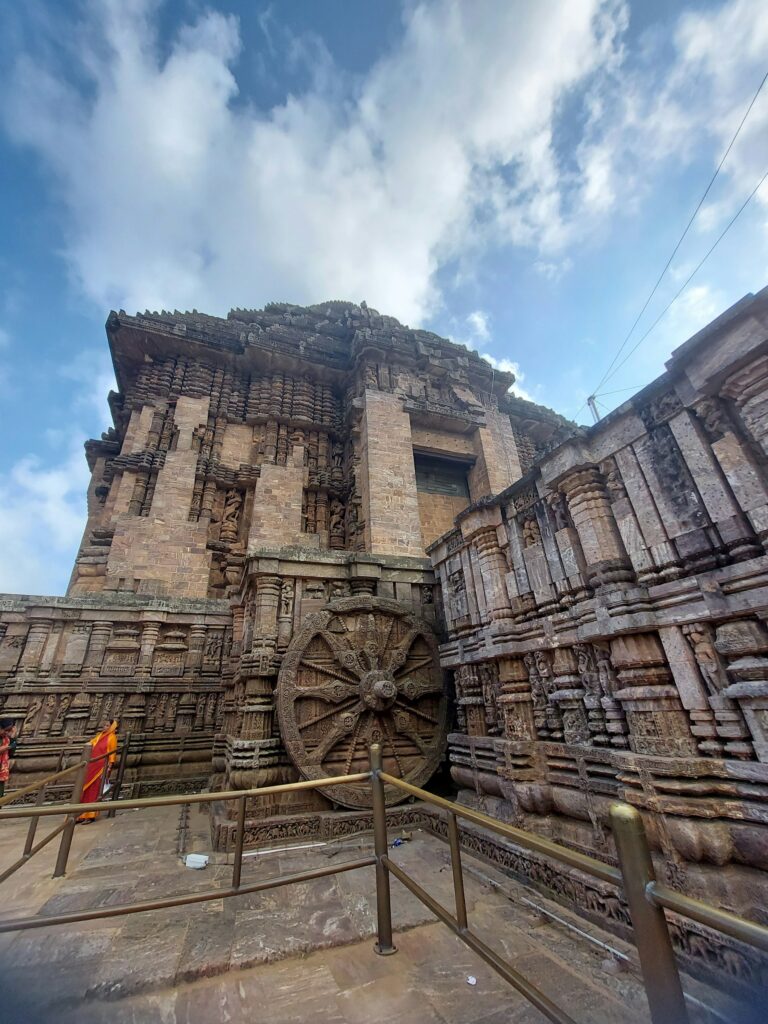
Eastern India blends colonial cities, hill stations, temple towns and mangrove forests. Kolkata, Darjeeling, Puri and Bhubaneswar each have distinct micro‑climates but follow a similar broad pattern.
The best time to travel to India in the eastern belt is from November to February, when humidity drops, skies are clearer and temperatures are ideal for both coastal and inland sightseeing.
October–November: Festive season in Kolkata (Durga Puja), pleasantly cool in Darjeeling and dry along Odisha’s coast.
December–February: Cool mornings and evenings, sunny days – perfect for tea gardens, temples and city walks.
March–May: Warmer and more humid, but still manageable if you time sightseeing for mornings and evenings.
June–September: Monsoon; landscapes become lush, but heavy showers can disrupt travel plans.
Northeast India (Assam, Meghalaya, Nagaland, Arunachal & Beyond)
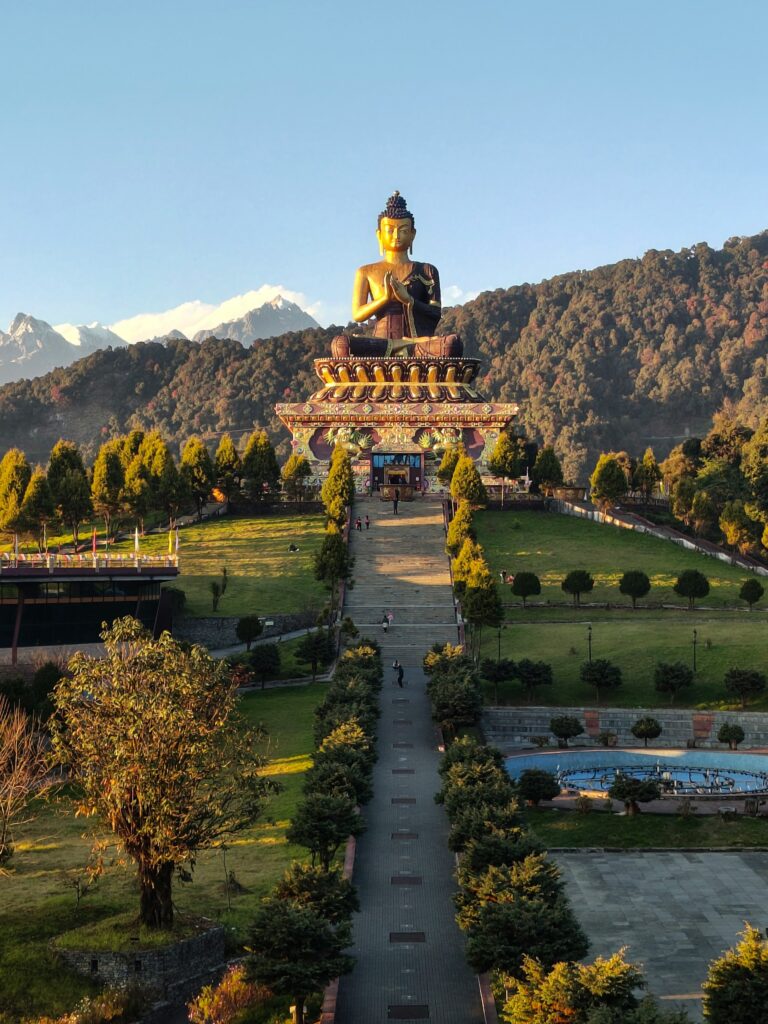
The Northeast is one of India’s least‑visited but most rewarding regions – a patchwork of tea estates, living‑root bridges, tribal festivals and cloud‑draped mountains.
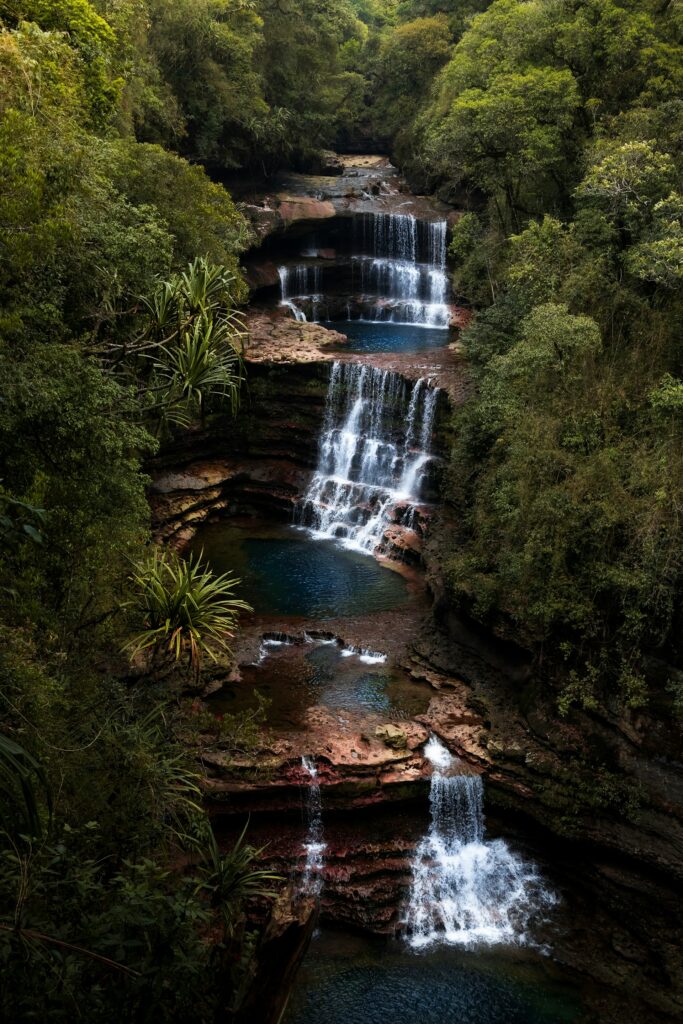
Here, the best time to travel to India for this sub‑region is typically October to April. Monsoon rains can be intense, especially in Meghalaya, which records some of the world’s highest rainfall.
October–November: Fresh post‑monsoon landscapes, clear skies in many areas, and key festivals like Nagaland’s Hornbill Festival in December approaching.
December–February: Cooler but generally dry, perfect for tea estates in Assam and cultural circuits.
March–April: Comfortable temperatures, blooming forests and good trekking conditions before heavier rains set in.
May–September: Very wet in places; living‑root bridges and waterfalls look spectacular, but travel can be logistically challenging.
Month‑by‑Month Snapshot: When to Go Where
To make the best time to travel to India even clearer, think of the year in broad travel “moods” rather than fixed rules:
October–November: Ideal all‑rounders. Great for North India, Rajasthan, central wildlife parks, Kerala post‑monsoon, Goa warming up and Northeast after the rains.
December–February: Classic peak season and often the absolute best time to travel to India for most travelers – cool and dry across the plains, perfect for city and beach combinations.
March–April: Shoulder season. Excellent for the Himalayas and central India safaris; warming up but still manageable in many cities.
May–June: Hot in the plains but amazing in the Himalayas, Ladakh (by June) and higher hill stations; choose altitude over lowland heat.
July–September: Monsoon season. Lush countryside, fewer tourists, Ayurvedic retreats in Kerala and prime Ladakh road‑trip conditions.
Choosing the Best Time to Travel to India for Your Trip Style
Ultimately, the best time to travel to India depends on what you want most from your journey. Culture‑rich city breaks and palace‑hopping in Rajasthan thrive in the cool, dry months. Trekking and road trips in the Himalayas come alive from spring to early autumn. Wellness, monsoon romance and low‑season value shine during the rains.
If you are a first‑time visitor seeking the widest range of destinations with the least weather risk, November to February is the safest best time to travel to India. If you are returning for a second or third trip, targeting Ladakh in August or Kerala in the green season can be just as rewarding.
Plan Your Ideal India Season with Indus Travel
With so many micro‑climates and moving parts, timing an India itinerary can feel complex – but it is also what makes the country endlessly fascinating. Choosing the best time to travel to India is much easier when you start with your must‑see regions and build outward from there.
Indus Travels operates carefully curated India Group Tours that align your dream destinations with the right season – pairing Jaipur’s winter sunsets with a warm Goan beach, matching tiger safaris to the driest months, or timing your Ladakh adventure for clear, snow‑free passes.
Whether you picture yourself sipping chai in a Delhi bazaar in January, drifting through Kerala’s backwaters in December or driving the Manali–Leh Highway in August, we help you hit the best time to travel to India for every stop on your route, so the weather works for you instead of against you.
 Toll Free (USA & Canada) +1 866 978 2997