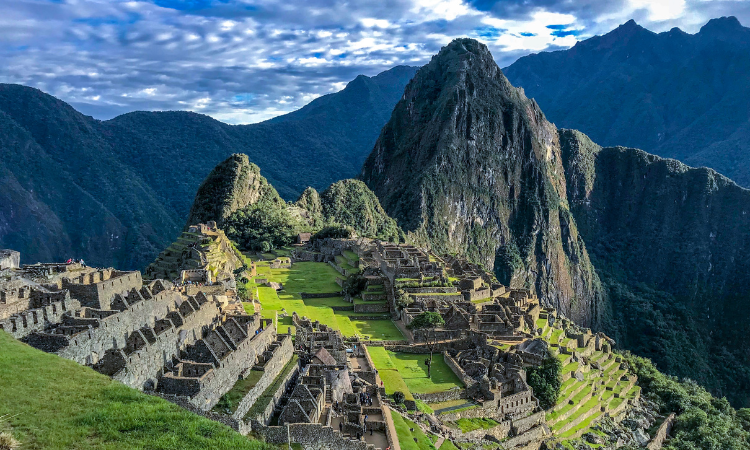
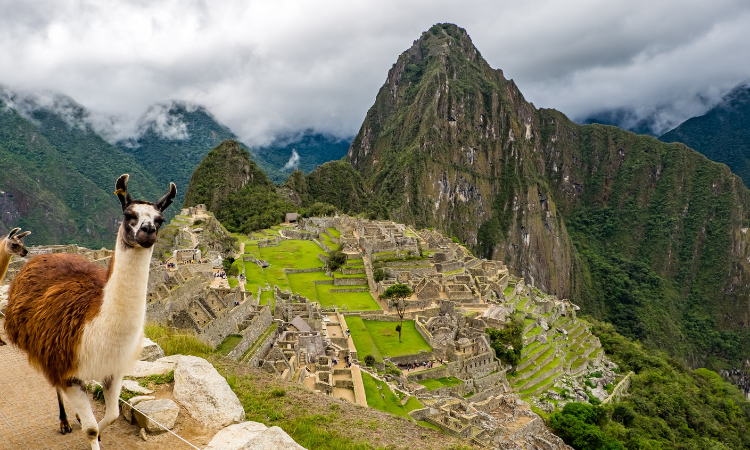
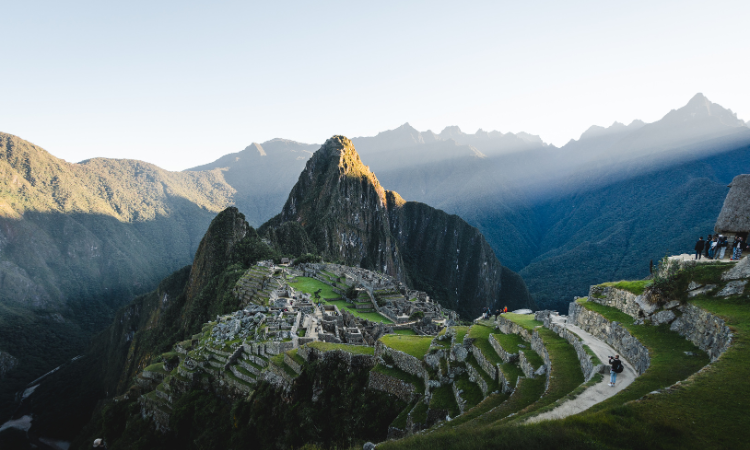
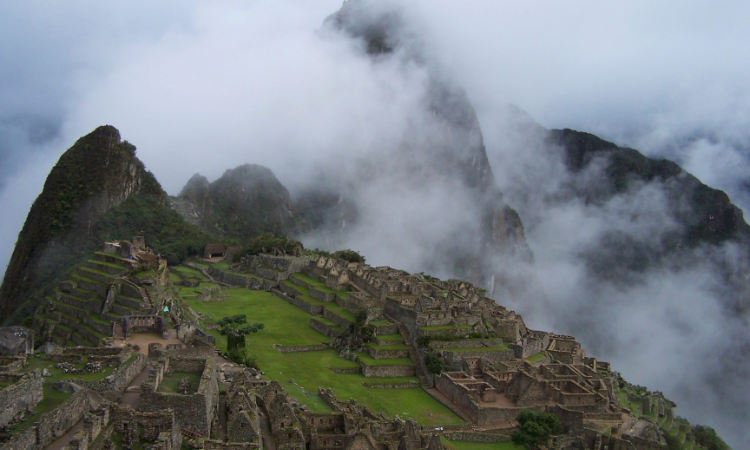
Machu Picchu, the iconic 15th-century Inca citadel nestled in the Peruvian Andes, stands as a testament to the architectural brilliance and cultural heritage of the Inca civilization. Perched at an altitude of approximately 2,430 meters (7,970 feet), this UNESCO World Heritage Site attracts travelers worldwide, eager to experience its historical significance and breathtaking vistas. Planning your visit with careful consideration of timing is essential to fully appreciate the site’s beauty while navigating weather patterns and tourist influxes. When is the best time to visit Machu Picchu? Understanding Machu Picchu weather by month can help determine the ideal season for your trip. This comprehensive guide delves into the best time to visit Machu Picchu, offering insights into climate variations, seasonal crowd dynamics, and practical travel tips to ensure an enriching experience.
How Do I Get to Machu Picchu?
Reaching Machu Picchu involves a journey through Peru’s scenic landscapes. Visiting Machu Picchu typically starts in Cusco, the former Inca capital, accessible by air from Lima. From Cusco, options include:
- Train: A popular choice, trains run from Cusco or the Sacred Valley to Aguas Calientes, the town at Machu Picchu’s base. Operators like PeruRail and Inca Rail offer various service levels, with journeys lasting 1.5 to 4 hours, depending on the departure point.
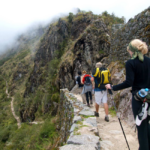
- Trekking: For the adventurous, hiking Machu Picchu via the Inca Trail is a sought-after experience. These multi-day hikes require permits and advance planning but reward travelers with stunning scenery and a sense of accomplishment.
- Alternative Routes: Other treks, such as the Salkantay or Lares, offer diverse experiences and culminate near Machu Picchu, combining natural beauty with cultural encounters.
Upon reaching Aguas Calientes, a short bus ride or hike ascends to the Machu Picchu entrance. Is Machu Picchu open throughout the year? Yes, but weather and seasonal factors should be considered before planning your trip.
Understanding Machu Picchu’s Climate
Overview of Peruvian Weather Patterns
Peru’s diverse geography results in varied climatic zones. Machu Picchu, located in a subtropical cloud forest, experiences relatively mild temperatures year-round but is subject to significant rainfall variations. Understanding these patterns aids in trip planning and determining the best time to hike Machu Picchu.
Altitude and Microclimates
At 2,430 meters, Machu Picchu’s altitude contributes to its unique microclimate. Mornings often bring mist, clearing to reveal sunny afternoons. Temperature fluctuations occur between day and night, so layering clothing is advisable.
Regional Weather Influences
The site’s proximity to the Amazon rainforest introduces humidity and precipitation, especially during the rainy season. Conversely, the Andes’ rain shadow effect moderates rainfall during the dry season, offering clearer skies.
The Seasonal Breakdown
Dry Season (May to September)
The dry season is characterized by minimal rainfall, clear skies, and cooler temperatures, especially at night. Daytime highs average around 20°C (68°F), while nighttime lows can drop to 5°C (41°F). This period aligns with peak tourism, resulting in larger crowds and higher accommodation prices. The best time to visit Machu Picchu for those who prefer clear skies and comfortable trekking conditions is typically within these months.
Rainy Season (November to March)
During the rainy season, Machu Picchu experiences frequent showers, with February being the wettest month. Daytime temperatures hover around 22°C (72°F), and nights are milder compared to the dry season. The lush greenery and reduced tourist numbers are appealing, but trails can be slippery, and cloud cover may obscure views. Machu Picchu weather by month in this period is unpredictable, requiring waterproof gear.
Shoulder Months (April & October)
April and October offer a balance between favorable weather and manageable crowds. These transitional months feature moderate rainfall, pleasant temperatures, and vibrant landscapes, making them ideal for visitors seeking a compromise between the extremes of the dry and rainy seasons. When is the best time to visit Machu Picchu? These months offer a great mix of good weather and fewer tourists.
Machu Picchu Temperatures
Temperatures at Machu Picchu remain relatively consistent year-round, with daytime highs between 20°C to 22°C (68°F to 72°F) and nighttime lows ranging from 5°C to 10°C (41°F to 50°F). However, temperature variations can occur due to weather patterns and altitude. Machu Picchu weather by month should always be checked before your trip to ensure proper preparation.
Machu Picchu Weather by Month
- Machu Picchu weather in January: Heavy rainfall; lush scenery; fewer tourists.
- Machu Picchu weather in February: Peak of rainy season; Inca Trail closed for maintenance; alternative routes available.
- Machu Picchu weather in March: Rain begins to taper; landscapes remain verdant; increasing visitor numbers.
- Machu Picchu weather in April: Onset of dry season; pleasant weather; moderate crowds. Best time to visit Machu Picchu for fewer crowds.
- Machu Picchu weather in May: Stable weather; popular among tourists; early booking recommended.
- Machu Picchu weather in June: Dry and clear; high tourist influx; coincides with Inti Raymi festival in Cusco.
- Machu Picchu weather in July: Peak tourist season; excellent weather; crowded sites. Best time to hike Machu Picchu for those who love trekking.
- Machu Picchu weather in August: Continued dry conditions; busy trails; vibrant cultural events.
- Machu Picchu weather in September: End of dry season; reduced crowds; favorable trekking conditions.
- Machu Picchu weather in October: Transition to rainy season; mild weather; fewer visitors. Good time for visiting Machu Picchu without peak crowds.
- Machu Picchu weather in November: Increased rainfall; lush landscapes; off-peak tourism.
- Machu Picchu weather in December: Frequent showers; festive atmosphere; manageable crowds.
By understanding Machu Picchu weather by month and choosing the best time to visit Machu Picchu, you can maximize your experience and enjoy this world wonder with optimal conditions.
When is the Best Time to Visit?
Factors to Consider
Selecting the optimal time to visit Machu Picchu depends on various factors, including weather preferences, crowd tolerance, and personal interests.
Weather and Visibility
For clear skies and minimal rainfall, the dry season (May to September) is ideal. However, the rainy season’s mist and reduced crowds offer a unique, serene experience.
Tourist Crowds and Peak Season Effects
June to August sees the highest visitor numbers, leading to crowded sites and higher prices. Visiting during the shoulder months can provide a more relaxed experience.
Cultural and Local Events
June hosts the Inti Raymi festival in Cusco, attracting many tourists.
Expert Recommendations
Insider Tips on Selecting the Optimal Month Based on Activity Preferences
If your primary goal is clear skies and optimal hiking conditions, the dry season (May to September) is your best bet. However, if you prefer fewer crowds and lush green landscapes, consider visiting during the shoulder months of April or October. For photography enthusiasts, misty mornings during the rainy season can add a mystical touch to Machu Picchu’s ruins. If you’re planning to combine your trip with cultural experiences, June is a great time to visit, as Cusco’s Inti Raymi festival offers an unforgettable glimpse into Incan traditions.
Best Time to Hike the Inca Trail
The Inca Trail, one of the most famous trekking routes in the world, follows a scenic path through the Andes, culminating at Machu Picchu’s Sun Gate. Timing your hike is essential for the best experience.
Inca Trail Weather
The dry season (May–September) offers ideal trekking conditions, with little rain and stable temperatures. The rainy season (November–March) can make the trail slippery and challenging, but it remains open (except in February). April and October are excellent choices, providing a mix of good weather and fewer hikers.
When is the Inca Trail Closed?
The Inca Trail is closed every February for maintenance and conservation efforts. However, Machu Picchu itself remains open during this time, and alternative trekking routes, such as the Salkantay Trek or Lares Trek, provide different ways to reach the site.
How Many Days Do I Need to Spend in Machu Picchu as a First-Timer?
For first-time visitors, one full day is typically enough to explore Machu Picchu’s highlights. However, if you want to fully immerse yourself in the site, consider staying two days, allowing you to visit the ruins at different times of the day, enjoy a guided tour, and explore additional trails like Huayna Picchu or Machu Picchu Mountain.
When Visiting Machu Picchu for the First Time, Where Should I Go?
Start at the Sun Gate (Inti Punku) if you’re hiking the Inca Trail, as it offers an incredible first glimpse of the ruins. From there, explore iconic spots like the Temple of the Sun, the Intihuatana Stone, and the Royal Tomb. If you’re up for a challenge, climbing Huayna Picchu provides breathtaking aerial views of the entire citadel.
Planning Your Trip
Practical Tips for Your Visit
- Book in Advance – Tickets to Machu Picchu and the Inca Trail sell out quickly, especially during peak season. Secure your permits at least 3-6 months in advance.
- Acclimate to the Altitude – Spend a few days in Cusco or the Sacred Valley to adjust before hiking.
- Arrive Early or Late – Visiting early in the morning or after 2 PM helps avoid the heaviest crowds.
- Respect the Site – Follow guidelines to help preserve Machu Picchu, such as sticking to marked paths and avoiding touching ruins.
Booking in Advance vs. Last-Minute Deals
While last-minute deals can sometimes be found for train tickets or hotels, entrance to Machu Picchu and the Inca Trail requires advance booking. The best months (May–September) sell out early, so booking ahead ensures you won’t miss out.
What to Pack for Varying Weather Conditions
Machu Picchu’s weather can change quickly. Bring:
- Light layers (for warm days and cool nights)
- Waterproof jacket (essential in the rainy season)
- Comfortable hiking shoes
- Sunscreen, hat, and sunglasses
- Insect repellent
Permits, Guides, and Local Regulations
- A ticket is required to enter Machu Picchu. Standard entry allows a self-guided visit, but hiring a guide can provide valuable historical insights.
- Permits for the Inca Trail are limited and must be booked months in advance.
- Backpacks larger than 40x35x20 cm are not allowed inside the site, and walking sticks require rubber tips.
Additional Recommendations
Photography Tips for Sunrise and Sunset
For stunning photos, visit at sunrise when soft morning light illuminates the ruins. Alternatively, late afternoon offers fewer crowds and beautiful golden-hour lighting.
Navigating the Inca Trail and Alternative Routes
If Inca Trail permits are unavailable, consider:
- Salkantay Trek – A more challenging but scenic hike.
- Lares Trek – A cultural experience through remote villages.
- Train + Short Hike – Taking the train to Aguas Calientes and hiking up to the ruins.
Conclusion
Machu Picchu is one of the world’s most spectacular historical sites, offering a blend of culture, history, and breathtaking scenery. The best time to visit depends on your priorities—whether it’s weather, crowds, or trekking opportunities. With proper planning, you’ll ensure an unforgettable experience at this ancient Incan wonder.
FAQs
How Does the Weather Affect the Machu Picchu Experience?
Weather plays a significant role in visibility, hiking conditions, and overall enjoyment. The dry season offers the best conditions for clear views, while the rainy season provides lush landscapes but may obscure visibility.
Are There Significant Differences Between the Dry and Rainy Seasons?
Yes. The dry season (May–September) provides sunny skies and cooler temperatures, while the rainy season (November–March) brings frequent showers but fewer crowds.
What Should I Pack for My Trip to Machu Picchu?
Pack light layers, a waterproof jacket, comfortable hiking shoes, sunscreen, insect repellent, and a reusable water bottle. If trekking, bring appropriate hiking gear.
How Early Should I Book My Visit to Avoid Crowds?
To secure permits for the Inca Trail, book 3-6 months in advance. Regular Machu Picchu entrance tickets should also be purchased at least a month ahead, especially for peak season.
When Is the Cheapest Time to Visit Machu Picchu?
The rainy season (November–March) offers lower prices on flights, hotels, and tours due to reduced tourist demand.
When Is Peak Season in Machu Picchu?
June to August is peak season, drawing large crowds and higher prices.
What Is the Best Month to Visit Machu Picchu?
May and September are considered the best months, balancing good weather and moderate crowds.
When Is Machu Picchu the Most Crowded?
Crowds peak between 10 AM – 2 PM, especially from June to August. Arriving early or later in the day helps avoid congestion.
When Not to Go to Machu Picchu?
Avoid February if you plan to hike, as the Inca Trail is closed. Additionally, heavy rains from December to February may impact visibility.
Do You Need Oxygen at Machu Picchu?
Most visitors do not need supplemental oxygen, but those sensitive to altitude should acclimate in Cusco or the Sacred Valley before visiting.
How Much Does It Cost to Visit Machu Picchu?
Costs vary based on entry tickets, tours, and transportation. Expect to pay:
- Machu Picchu ticket: $50–$70
- Train from Cusco: $60–$150
- Guided tour: $50–$100
Where Do You Fly Into for Machu Picchu?
The nearest airport is Alejandro Velasco Astete International Airport (CUZ) in Cusco. From there, travelers continue by train or trek.
Do You Have to Pay to Use the Bathroom at Machu Picchu?
Yes. The only public restroom is outside the main entrance, costing approximately 2 soles ($0.50 USD) per use.
Start planning your adventure today! Explore Peru tours, find the best Machu Picchu tours from the USA, or visit mysterious places in Peru.
 Toll Free (USA & Canada) +1 866 978 2997